
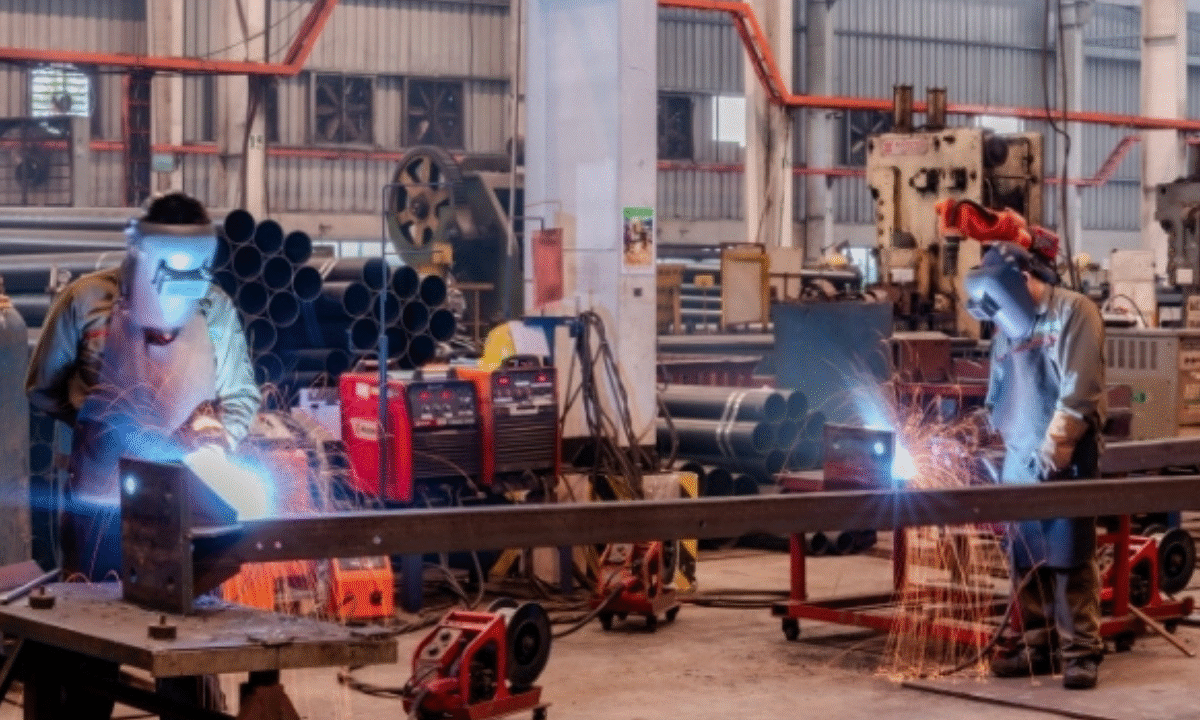
Mechanical fabrication plays a central role in today’s construction industry. As projects become larger and more technical, the need for strong, precise and reliable fabricated components has never been higher. From structural support systems to custom-built machinery, mechanical fabrication brings accuracy, strength and efficiency to construction sites that deal with demanding timelines and heavy performance requirements.
Construction projects rely on many moving parts, both literally and figuratively. Mechanical fabrication ensures those parts are built to exact specifications. Whether it is steel frames, brackets, pipes, tanks or customised metal assemblies, these components must meet strict safety and engineering standards. Fabrication workshops use cutting, welding, bending and machining processes to shape raw materials into finished products that can handle real-world stress. Good fabrication reduces errors, saves time and helps contractors avoid costly delays.
One of the biggest advantages of mechanical fabrication is precision. Complex construction projects often involve intricate designs developed by engineers and architects. Any mistake in size, angle or alignment can affect the integrity of the entire structure. Fabricators use advanced tools such as CNC machines, laser cutters and automated welding systems to produce components with high accuracy. This allows construction teams to install materials quickly without worrying about mismatches or rework.
Mechanical fabrication also supports construction by improving project speed. Many components are manufactured offsite in controlled environments. This reduces on-site clutter, improves safety and ensures the work continues even when weather conditions are not ideal. Once the fabricated parts are ready, they are brought to the site and installed with minimal disruption. This approach helps project managers stick to tight deadlines and reduces labour costs.
Every construction project has its own unique challenges, and mechanical fabrication helps solve them with customised solutions. Standard parts do not always fit special layouts or heavy-load requirements. Fabricators can design and build custom components that match the specific needs of the project. This is especially important for industries like mining, oil and gas, infrastructure, industrial plants and large commercial developments. Custom fabrication ensures better alignment with project goals and allows engineers to push creative and technical boundaries.
Another important benefit is durability. Construction environments are tough. Materials must handle heat, pressure, vibration and heavy loads. Fabricated components are often made from high-strength metals like stainless steel, carbon steel or aluminium. Skilled fabricators use proper welding methods, heat treatments and finishing techniques to improve resistance and increase the lifespan of each part. This gives contractors confidence that the components will perform well long after the project is complete.
Safety is also closely tied to quality fabrication. Construction sites already deal with risks, so the tools and components used must be dependable. Poorly manufactured or low-quality parts can fail under pressure, leading to accidents and delays. Mechanical fabrication follows strict quality control processes such as inspections, load testing and certification. This ensures that every piece used on site meets industry standards and supports safe project delivery.
Mechanical fabrication also helps construction companies stay competitive. With new technologies entering the industry, such as automation and 3D modelling, fabrication has become more efficient. Digital designs can be converted directly into machine instructions, reducing errors and improving turnaround times. Better planning tools allow manufacturers to produce complex shapes and structures that were once difficult or costly to create. This helps contractors offer better results to clients while keeping budgets under control.
In the end, mechanical fabrication is more than just cutting and welding metal. It is a major part of what keeps complex construction projects running smoothly. It brings precision, strength and reliability to every stage of the build. With customised solutions, strong materials, advanced technology and strict quality control, mechanical fabrication supports modern construction in reaching higher levels of performance.