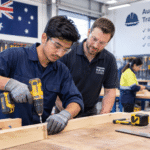

What if the right course could help you turn existing work experience into new career skills? Career courses in Australia give skilled workers practical ways to develop current abilities or prepare for a different role. Australia offers vocational education, TAFE programs, higher education, and industry-focused training.
Skilled workers planning to work in Australia temporarily may face changing industry needs, new technology, or different workplace standards. Existing experience can provide a strong foundation, but additional training may help bridge specific skill gaps.
Choosing the right course also requires careful planning. Course level, location, entry requirements, career goals, and visa conditions can all affect your decision.
In this guide, you will discover how career courses support skill development, how vocational training can help, and what to consider before choosing a course, without making the process unnecessarily complicated.
How Can Career Courses in Australia Support Skilled Workers?
Career courses can help workers build skills that complement their existing qualifications. Short courses, TAFE programs, and vocational education can focus on practical knowledge and industry-specific capabilities.
Career courses in Australia are education programs designed to develop skills for employment, career progression, or professional change. They may include vocational training, TAFE courses, certificates, diplomas, or selected higher education programs. These courses commonly support upskilling, reskilling, and career development.
Upskilling Existing Experience
Workers can strengthen skills related to their current occupation. This approach can help them adapt to changing workplace requirements.
Reskilling for New Roles
Some courses provide foundational skills for workers moving into another occupation or industry.
What Vocational Courses Can Skilled Workers Study in Sydney?
Sydney offers vocational education options across areas such as construction, business, community services, hospitality, and technology. TAFE and registered training organisations provide courses with different qualification levels and delivery formats.
Vocational courses in Sydney provide practical education focused on occupational skills and workplace outcomes. They can include Certificate III, Certificate IV, diploma, and other nationally recognised qualifications. Workers commonly use vocational training for career development, skills improvement, or transition into another field.
Practical Training
Many vocational programs combine structured learning with practical activities. This can help learners apply concepts to workplace situations.
Industry-Relevant Qualifications
Nationally recognised qualifications can provide evidence of completed training. Students should check the specific course and provider before enrolling.
How Do Career Courses Relate to Skilled Migration Australia?
Career development and migration planning are separate decisions, but education can sometimes support a longer-term career pathway. Workers should not assume that completing a course automatically creates migration eligibility.
Skilled migration Australia refers to visa pathways designed for eligible skilled workers under Australia’s immigration framework. Eligibility can depend on factors such as occupation, skills assessment, English proficiency, age, qualifications, and visa requirements. A course may support skill development, but it does not guarantee a particular visa outcome.
Check Occupation Requirements
Review the relevant occupation and current eligibility requirements before selecting a course.
Consider Future Skills
Choose training that develops skills relevant to your intended career direction.
What Should Skilled Workers Consider Before Choosing a Course?
The right course depends on your career objective, existing qualifications, and intended work pathway. Comparing these factors before enrolment can prevent a mismatch between training and career plans.
Choosing a career course involves comparing course content, qualification level, entry requirements, provider details, study location, duration, costs, and career relevance. International students should also consider their student visa conditions and future visa plans. Professional guidance can help clarify education and migration considerations.
Compare Course Outcomes
Check what skills and qualification the course provides. Then compare them with your career goals.
Understand Visa Conditions
International students should verify current requirements through official Australian Government sources before making decisions.
Get Professional Guidance
An experienced education agent in Blacktown or education agent in Sydney can help students compare suitable study options and understand the enrolment process.
Conclusion
Career courses in Australia can help skilled workers strengthen existing abilities or develop skills for a new career direction. Vocational courses and TAFE programs can provide practical, industry-focused training. Course selection should also consider qualifications, career goals, and applicable visa requirements. GroWsmart Education & Migration can help students explore suitable education and career pathways based on their individual goals.
FAQs
What are career courses in Australia?
Career courses in Australia are study programs that help learners develop practical skills for employment or career progression. They can include TAFE courses, vocational qualifications, certificates, diplomas, and selected higher education programs.
Can skilled workers study courses in Australia?
Yes. Skilled workers may study suitable courses in Australia if they meet the relevant course entry requirements and visa conditions. The right option depends on their existing qualifications, career goals, and intended field of study.
Are vocational courses useful for career development in Australia?
Vocational courses can help learners develop practical, occupation-specific skills. They are commonly available in areas such as construction, business, community services, hospitality, and technology.